How to choose a bean-to-cup machine
The number of drinks on the display is the thing that matters least. What will decide whether you still use it in three years is the milk system, the brew group, and how easily they wash.
Bean-to-cup machines are sold with a number: how many drinks they can make. It is the least useful figure on the leaflet. As of 7 September 2026, across the catalogue entries that declare it, that number runs from 2 to 51 — and nobody, over three years of use, makes fifty-one different drinks. Four other things decide whether you will be happy with the machine.
1. The milk system, which is the real purchase
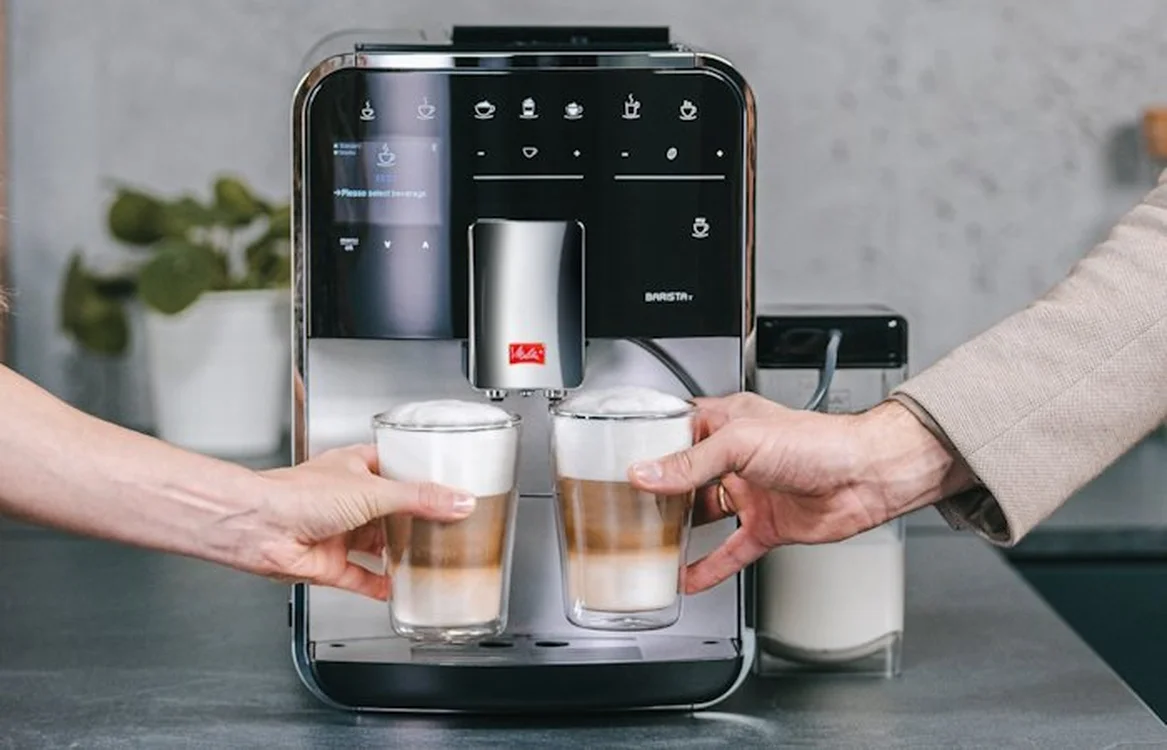
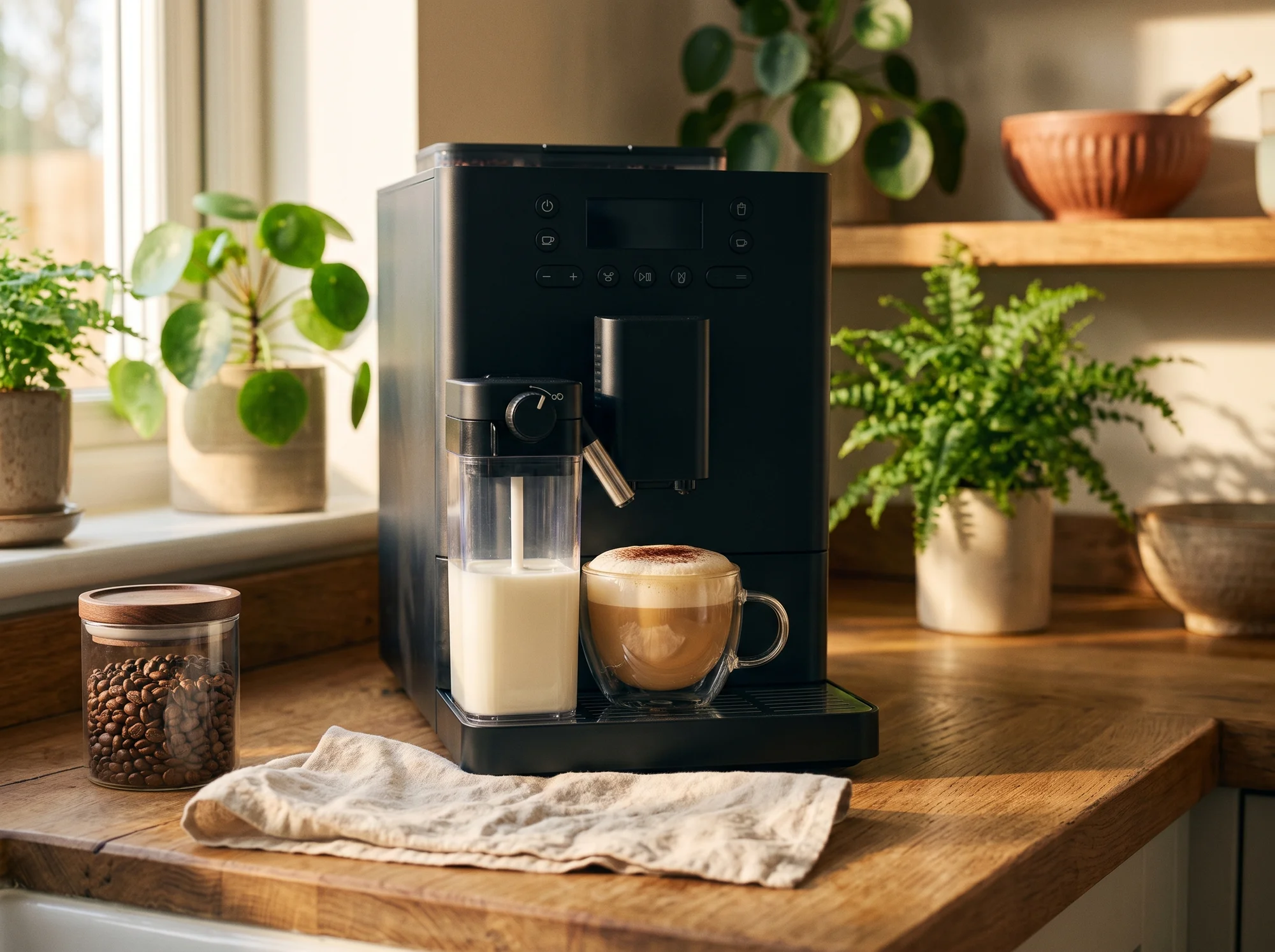
If you are buying a bean-to-cup machine for cappuccino, you are buying that subsystem; everything else is trimming. There are three approaches.
- Carafe: a dedicated container that clips to the machine, detaches and goes into the fridge whole. Extremely convenient, takes up fridge space, and has to be washed.
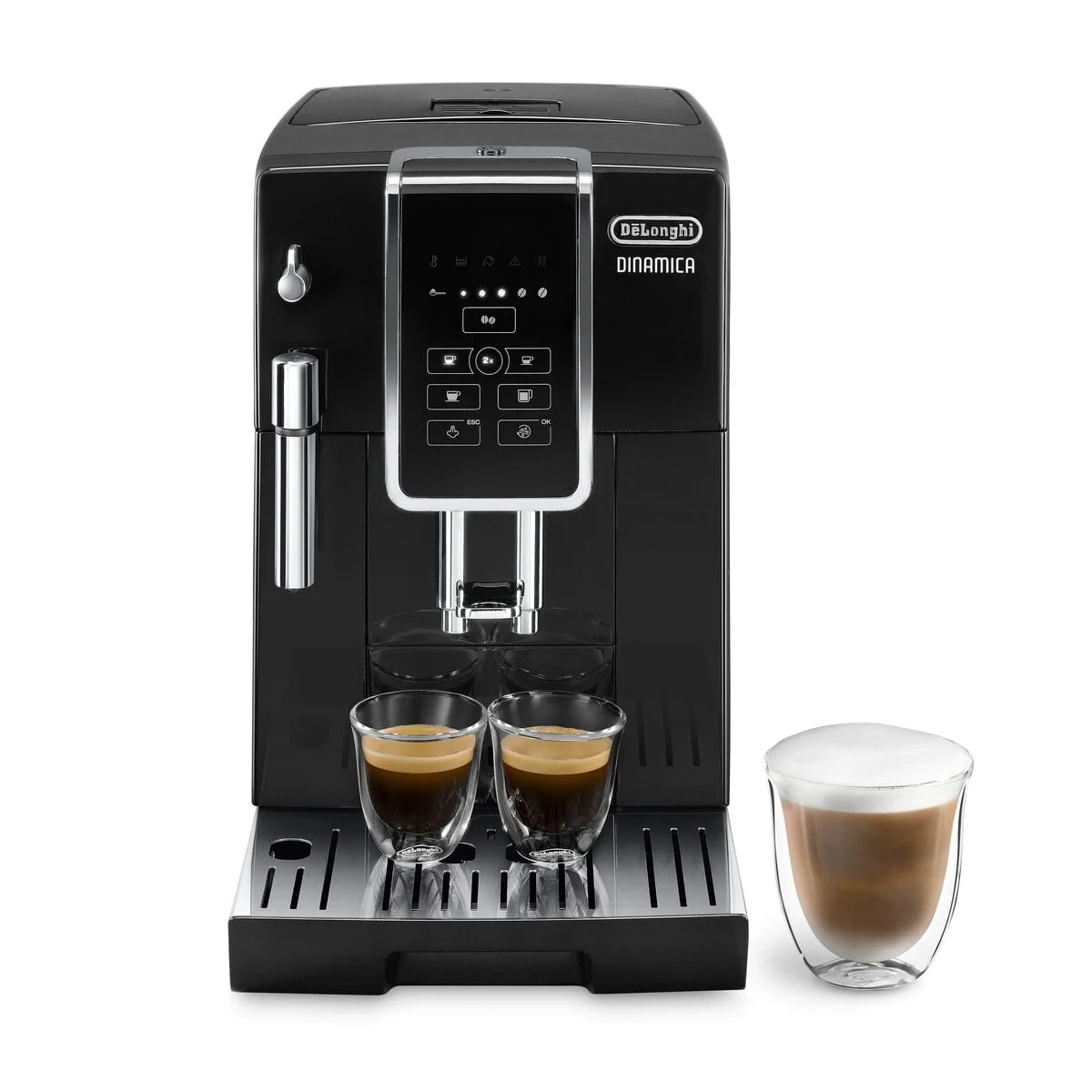
- Pickup tube: a small tube that draws milk from any container you like, including its own carton. Minimal bulk; the tube must be rinsed every time, without exception.
- Steam wand: as on a manual machine. It froths milk better than the other two — real microfoam is made here — but the gesture is yours, and it has to be learned.
Of the 63 bean-to-cup machines on file that declare a system, 34 use a carafe, 16 an automatic tube, 12 a steam wand, and one does not froth milk at all.
Then there is a fact worth more than all of these and which almost nobody checks in the shop: is the milk system dishwasher-safe? Across 46 entries that declare it, 31 say yes and 15 say no. That is fifteen machines where you will be doing that wash by hand, every day.
2. The brew group: removable or not
The group is the piston that takes the grounds, compresses them and pushes water through. It is crossed by coffee and hot water dozens of times a day, and coffee oils build up.
A removable group comes out, is rinsed under the tap and goes back: two minutes a week. A fixed group depends entirely on automatic cleaning cycles and degreasing tablets, and when something goes wrong it means a service visit.
In our catalogue 46 entries declare a removable group and none declares the opposite. Said honestly: that does not mean they are all removable, it means those that are not tend not to write it down. It is a question to ask explicitly before buying.
3. Burrs and hopper
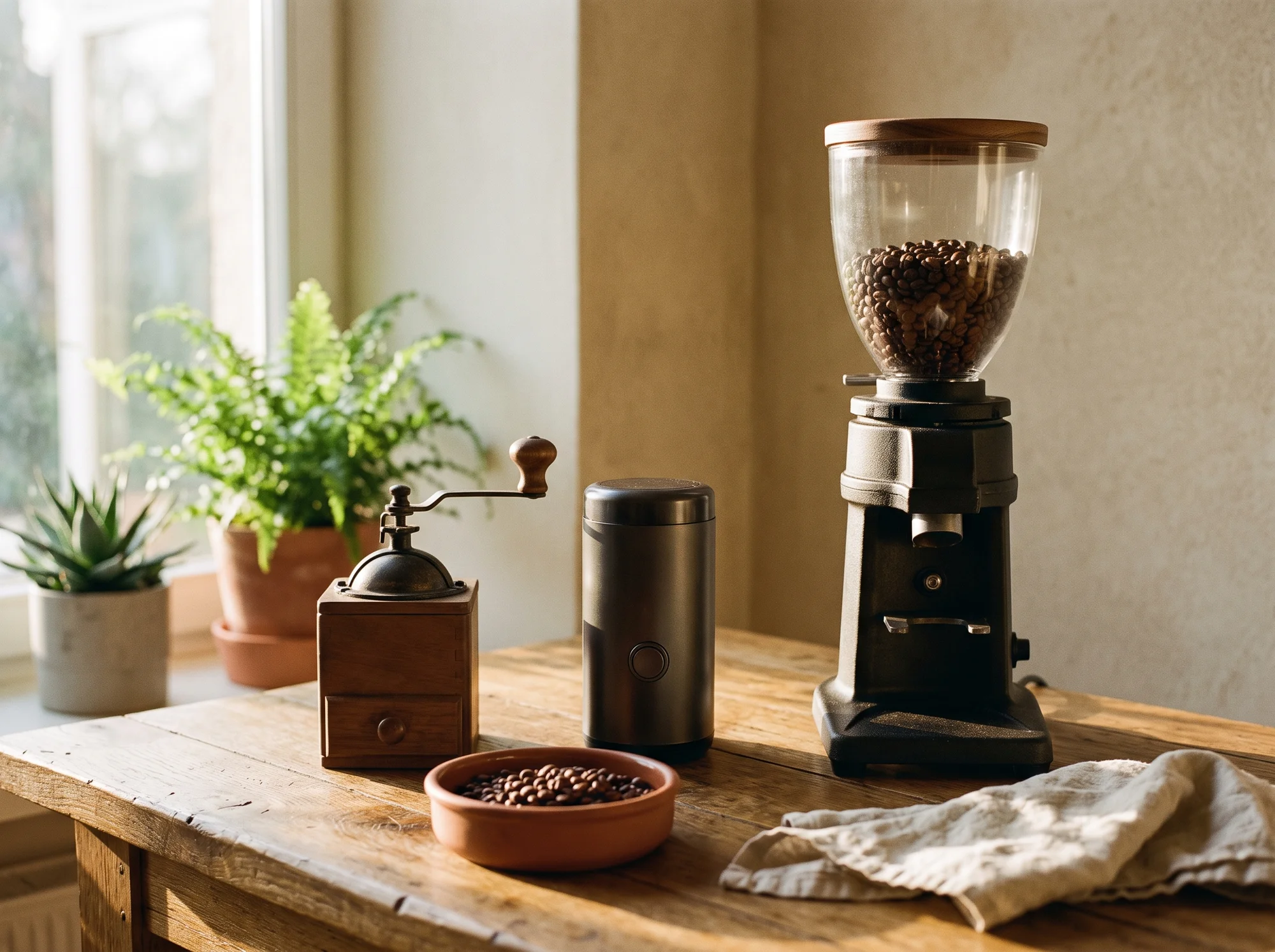
You do not choose the grinder: the machine hands it to you. But you can look at two things.
The burr type: of the 41 entries that declare it, 28 use ceramic and 13 conical steel. Ceramic does not heat like steel and does not corrode, but it is more brittle: a small stone among the beans, which steel shrugs off, can chip it.
The hopper, which runs from 125 to 500 g across the catalogue entries, with 250 g the most frequent value. The figure matters less than the question it carries: if you drink two coffees a day, a large hopper means beans sitting there for weeks, exposed to light.
And finally the bypass doser: the compartment for pre-ground coffee — decaf, or a different bean — without emptying the hopper. 52 of the 61 entries that declare it have one, and anyone in the household who drinks decaf will use it daily.
4. Profiles, and the rest of the display
Machines that store preferences per person are useful when there are several of you: among the 29 entries that declare a number of profiles, the most common value is 4. App connectivity is present on 25 of the 32 entries that declare it — handy for saving recipes, it does not change the coffee.
How to decide, in practice
- Cappuccino every day, and you want it simple. Carafe, checking that it is dishwasher-safe.
- Small kitchen, full fridge. Pickup tube: it takes up nothing, but the daily rinse becomes a compulsory habit.
- You want the foam done properly and you are willing to learn. Steam wand.
- Someone in the house drinks decaf. Bypass doser, non-negotiable.
- You want to keep it ten years. Removable group and a milk system that comes apart: maintenance done properly is what separates a machine that lasts from one that gets thrown away.
The full catalogue is under bean-to-cup machines, with filters for milk system and burr type.
Recommended machines